

FRIGE scientists develop India's first national biobank for Lysosomal Storage Disorders
Scientists develop and deploy India's first national biobank for rare disease- Lysosomal Storage Disorders- comprising of over 500 patients.
The study published in the Orphanet Journal of Rare Diseases describes India’s first national biobank for a rare genetic disorder- Lysosomal storage disorders (LSDs).
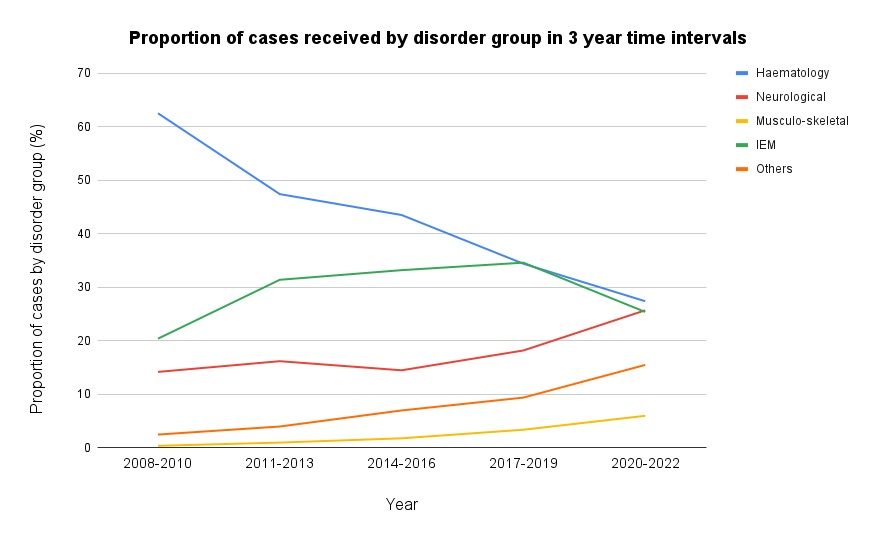
The study includes clinical, biochemical, and genetic data from 530 patients, recruited over a 17 year period (2008-2025).
The study led by Dr. Jayesh Sheth, Dr. Harsh Sheth, and clinical colleagues from across India mapped 27 LSDs into 8 sub-groups, with most common LSD being Gaucher disease.
Patients from 15 Indian states and primarily paediatric cases were tested using a suite of biochemical and genetic tests. Their clinical, biological samples (genomic DNA, urine, and plasma), and sequencing data are stored in the biobank.
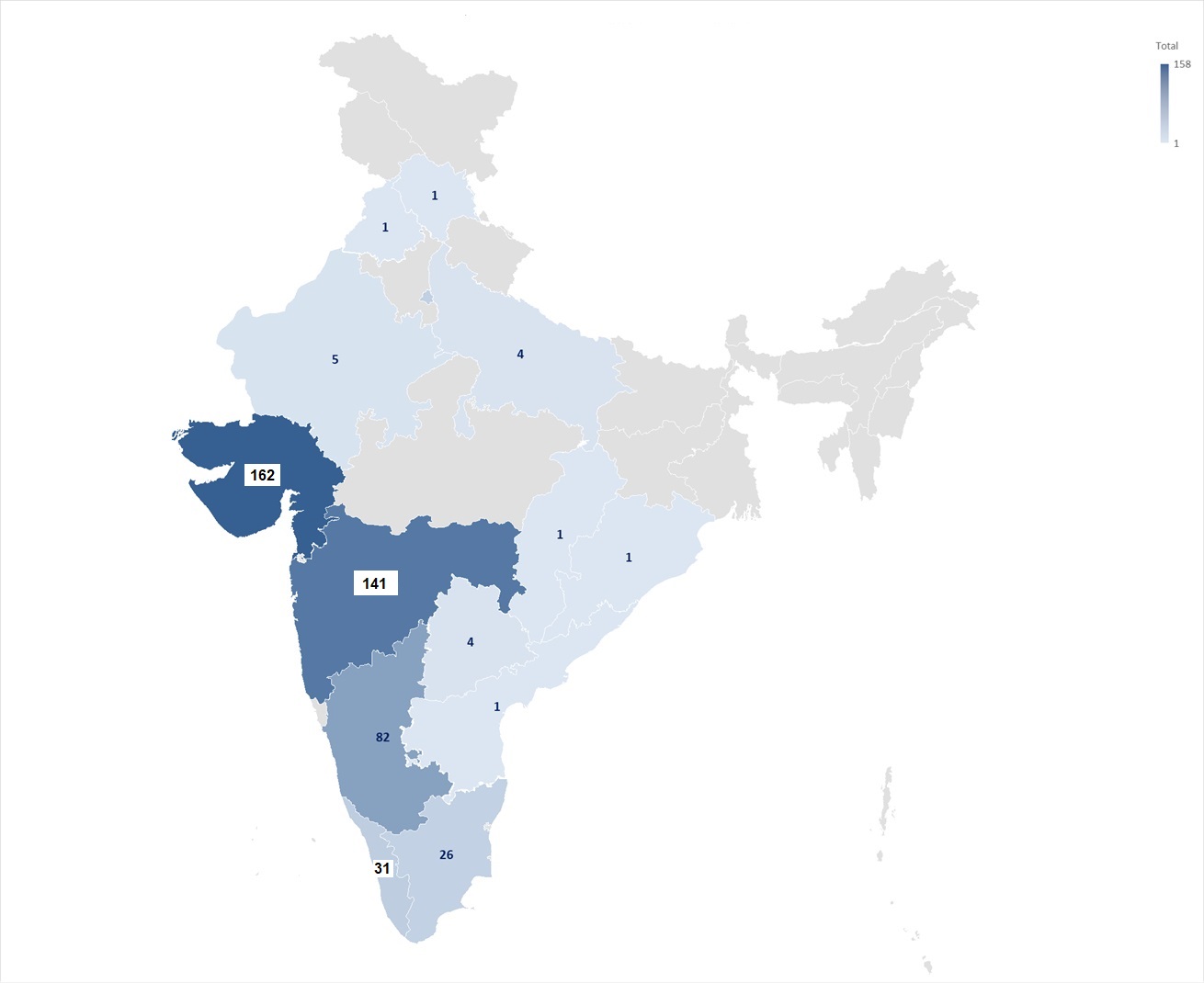
Is this important for India?
Numerous founder and common mutations have been identified as part of the study, allowing local, state, and national authorities to develop targeted screening programmes for disease diagnosis, treatment, and prevention.

National biobanks serve as a critical source of patient clinical, biological, and genetic data to develop screening, diagnostic, treatment, and prevention strategies.
Who can you contact about accessing the biobank?
The biobank is open to scientists and clinicians working on molecular epidemiology, diagnostic & screening technology development, and therapy development can access the biobank.
You can browse the biobank webpage to understand data structure, data deposition, data and sample types, and application method to access the biobank sample and data.
Who funded the study?
The study was funded by the Department of Biotechnology (India) and Gujarat State Biotechnology Mission.
Press Release and Coverage
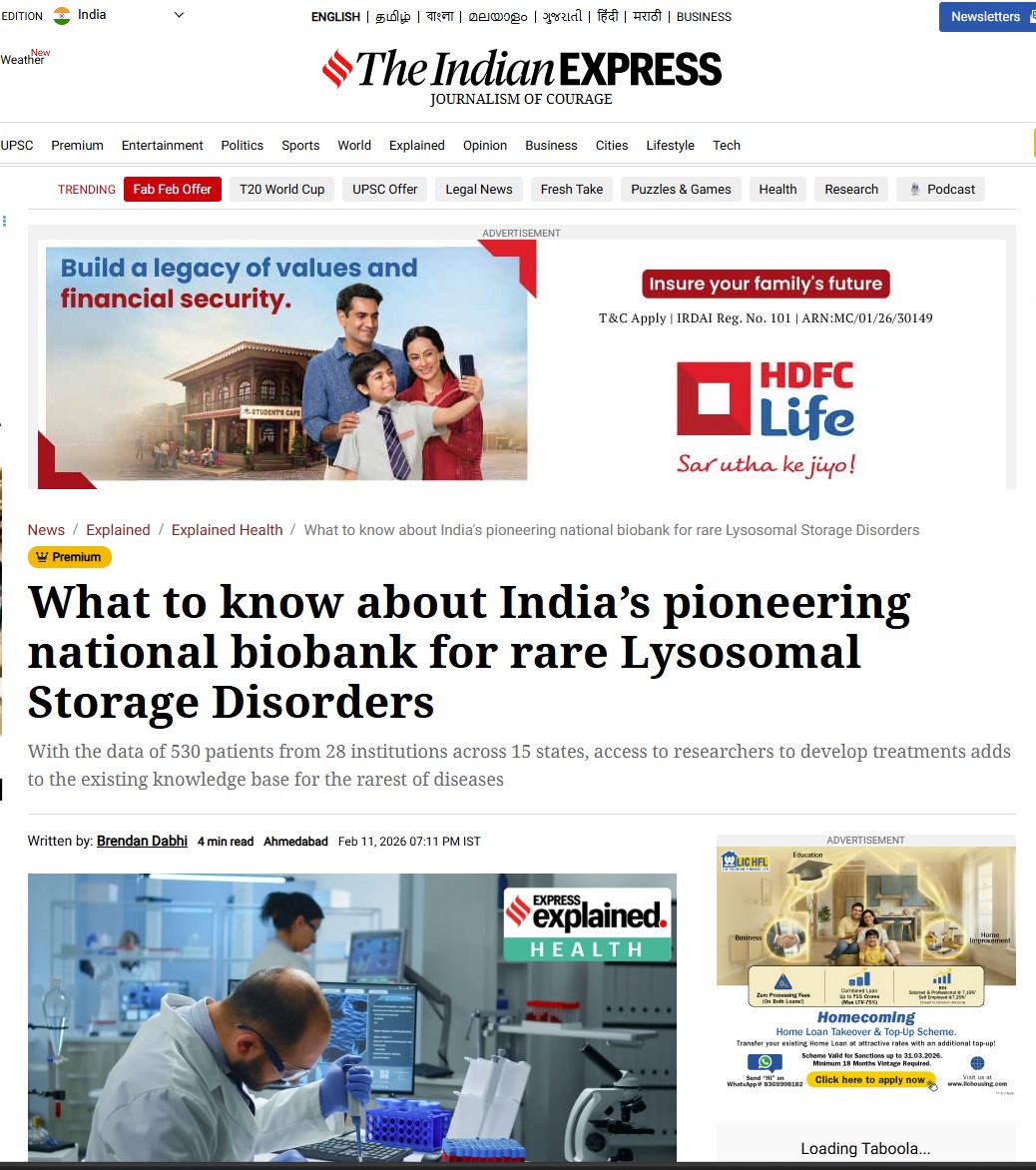
The Indian Express (11th February 2026)
DD Gujarat (22nd February 2026)
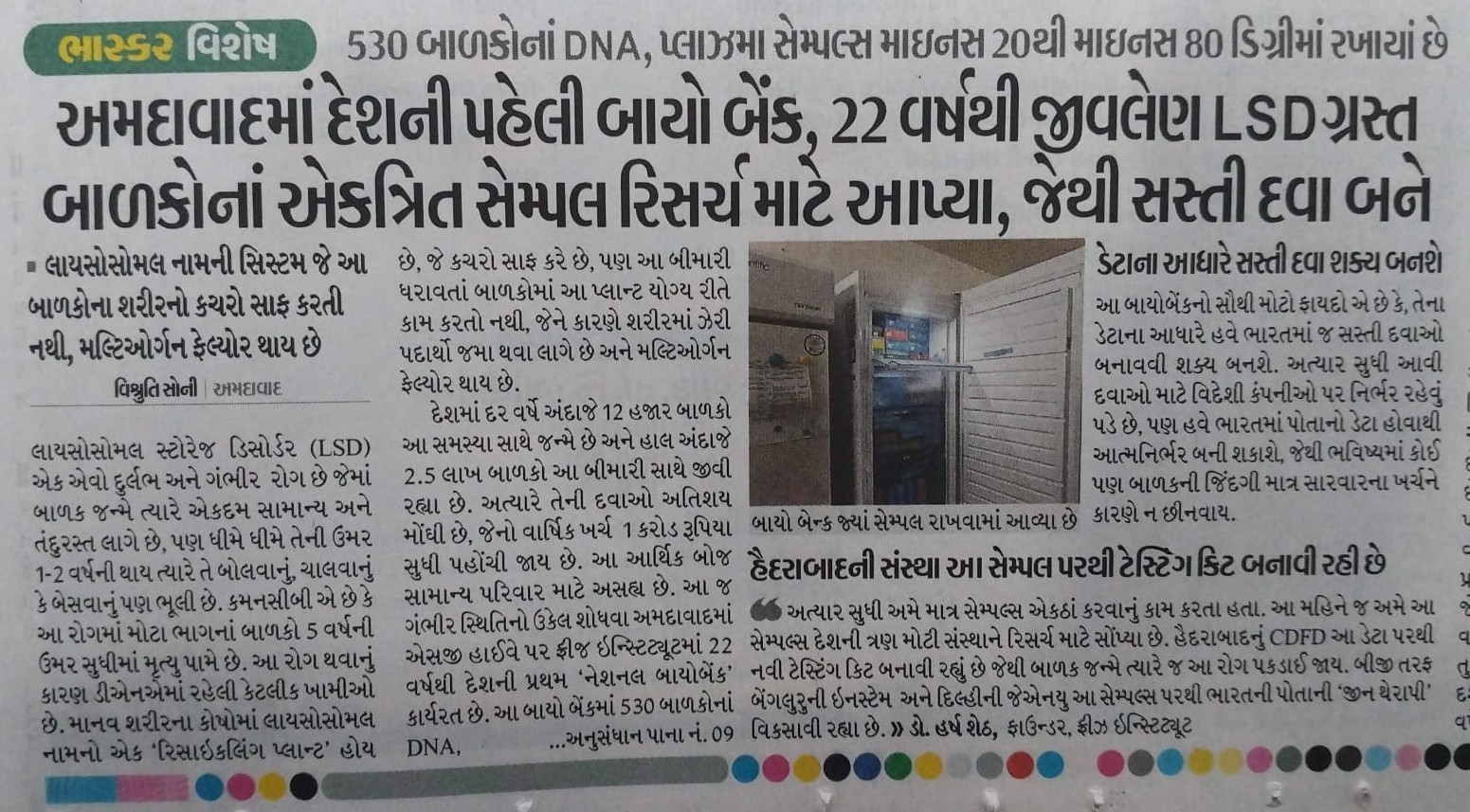
Divya Bhaskar (23rd February 2026)